

Pashinian Accuses Baku Of Ethnic Cleansing As Exodus From Karabakh Continues
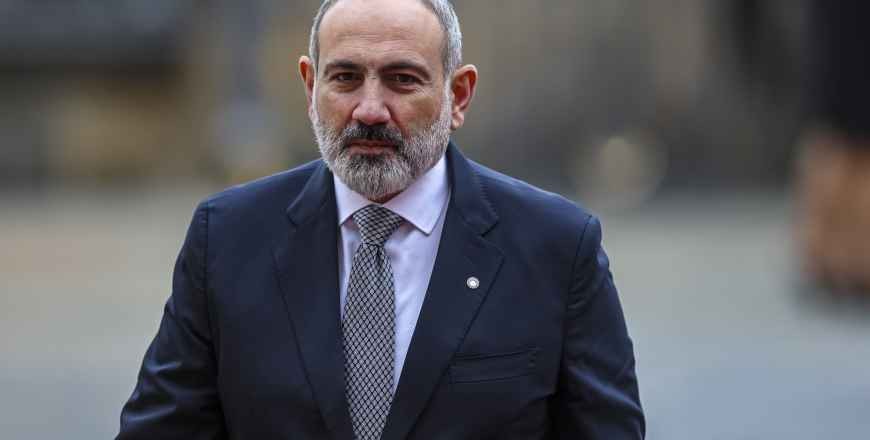
According to RFE/RL, Armenian Prime Minister Nikol Pashinian has accused Azerbaijan of "ethnic cleansing," warning that no ethnic Armenian will remain in Nagorno-Karabakh in the coming days as thousands more people poured into Armenia from the breakaway region on September 28 following a lightning military offensive that gave Baku total control over the ethnic-Armenian populated territory.
Pashinian's spokeswoman, Nazeli Baghdasarian, said that a total of 68,386 people had entered Armenia from Nagorno-Karabakh as of noon local time on September 28, amounting to more than half of the region's estimated 120,000 inhabitants.
"This is a direct act of ethnic cleansing that we warned the international community about," Pashinian told a government meeting on September 28, calling for concrete action by the international community.
"Statements condemning ethnic cleansing by various international players are important, but if they are not followed by concrete actions, these statements will be seen as creating moral statistics for history, so that in future different countries will have the opportunity to formally dissociate themselves from this crime, saying we have condemned it," said Pashinian.
Pashinian added that if the trend continued, no ethnic Armenians will be left in Karabakh in the coming days.
Baku has denied accusations of ethnic cleansing and said it wants to "reintegrate" the enclave's ethnic Armenian population into Azerbaijan.
As the exodus continued, sparking more fears of a major humanitarian crisis, the leader of Nagorno-Karabakh Republic said the self-styled separatist entity will cease to exist as of January 1.
Samvel Shahramanian said the move was prompted by the situation created after Azerbaijan's taking complete control of the region. His decree mentioned a cease-fire agreement reached last week to end the fighting under which Baku pledged to permit the “free, voluntary, and unrestrained passage” of Nagorno-Karabakh's ethnic Armenian residents, including ''servicemen who have laid down arms."
The exodus began after Azerbaijan opened the only road leading from Karabakh to Armenia four days after a cease-fire agreement that ended the September 19-20 Azerbaijani military operation which gave Baku complete control over the region.
Meanwhile, Azerbaijan announced that it had put former Nagorno-Karabakh separatist leader Ruben Vardanian in pre-trial detention after charging him with financing terrorism and other crimes.
Vardanian, who served as prime minister in the de facto government of Nagorno-Karabakh for less than four months before being removed from the post in February, was detained on September 27 as he was trying to cross the border into Armenia.
A Baku court ruled that Vardanian should be arrested and placed in pre-trial detention for four months, Azerbaijan's state security service said.
Armenia and Azerbaijan have fought two wars in the last three decades over the region, which had been a majority ethnic Armenian enclave within the internationally recognized border of Azerbaijan since the Soviet collapse.