

US withdrawal from Open Skies Treaty takes European allies by surprise
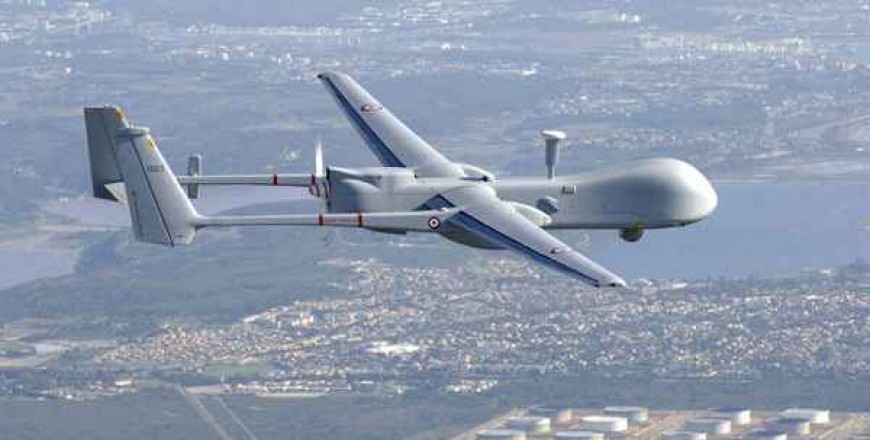
According to EURACTIV, Washington announced on Thursday (21 May) it would withdraw from the 35-nation Open Skies Treaty, allowing unarmed surveillance flights over signatory states, the Trump administration’s latest move to pull the country out of yet another major global landmark accord.
The accord, signed in 1992 and in force since 2002, allows its signatories to conduct short-notice unarmed surveillance flights to gather information on each other’s military forces and installations, thereby contributing to inspections of conventional arms control and strategic offensive weapons and reducing the risk of conflict.
Russia and the US, the world’s two biggest nuclear powers, have used it to keep an eye on each other’s activities, but in recent years senior US officials and global non-proliferation experts have warned US President Trump may pull Washington out of the pact.
US officials have long complained Russia had failed to comply with the deal, forbidding overflights of key strategic regions and military exercises and accused Moscow using its flights to collect sensitive information on American infrastructure.
The US “cannot remain in arms control agreements that are violated by the other side, and that are actively being used not to support but rather to undermine international peace and security,” US Secretary of State, Mike Pompeo, said in a statement on Thursday.
Pompeo cited Russian restrictions on flights and claimed Moscow has used the treaty as “a tool to facilitate military coercion.”
“Moscow appears to use Open Skies imagery in support of an aggressive new Russian doctrine of targeting critical infrastructure in the US and Europe with precision-guided conventional munitions,” Pompeo said.
“Rather than using the Open Skies as a mechanism for improving trust and confidence through military transparency, Russia has, therefore, weaponized the Treaty by making it into a tool of intimidation and threat,” he added.
Pompeo’s statement leaves open the possibility that Washington might “reconsider” its withdrawal “should Russia return to full compliance with the treaty.” With Russia being formally notified on Friday, the withdrawal will take effect six months after the official notice.
Open Skies is the third major security agreement, after the Intermediate-range Nuclear Forces Treaty (INF), a landmark 1987 pact with Russia banning a whole class of medium-range ground-launched nuclear-capable missiles of 500 to 5,500 kilometres, and the Iran nuclear deal, which Washington decided to scrap in recent years.
Trump’s move is likely to deepen the rift between Washington and its European and NATO allies, which use the accord to conduct critical overflights of Europe’s vulnerable eastern flank.
NATO allies and countries like Ukraine, which borders Russia, had previously urged Washington not to withdraw, which would end overflights of Russia by the remaining members, weakening European security at a time that Russian-backed separatists are holding parts of Ukraine and Georgia.
“All Allies agree that arms control, disarmament, and non-proliferation make essential contributions to achieving the Alliance’s security,” a NATO official told EURACTIV after the announcement, adding that NATO leaders repeatedly reiterated “their concern over Russia’s selective implementation of the Open Skies Treaty, and that this undermines our security”.