

Fourth round of post-Brexit trade talks ends without success
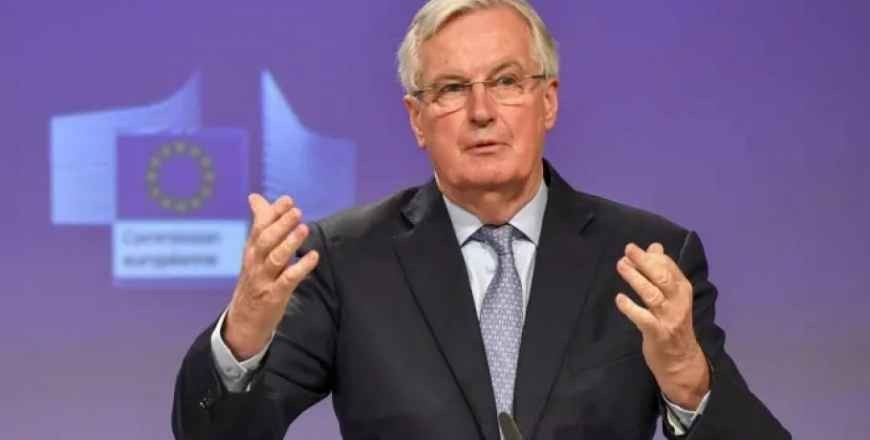
According to EURACTIV, the stalemate on EU-UK trade talks remains unbroken, both sides conceded on Friday (5 June), with the EU again accusing London of attempting to back-track on the commitments made in the Withdrawal Agreement that took the UK out of the bloc in January.
“I have to tell the truth…there has been no significant breakthrough,” Michel Barnier, who leads the European Commission’s Task Force on Future Relations, told reporters.
His UK counterpart, David Frost, was slightly more upbeat, commenting that “progress remains limited but our talks have been positive in tone.”
Both sides complained that holding talks online – which has been a necessity since the coronavirus pandemic spread across Europe in mid-March – had hindered progress.
“We are close to reaching the limits of what we can achieve through the format of remote formal rounds,” said Frost.
The June meeting had been earmarked as a decisive point in the negotiations, when both sides were to access whether a deal will be possible before the UK leaves the Single Market on 31 December.
Johnson insists that he will not request or agree to extend the talks, though Barnier again hinted that the EU would be open to a “one- or two-year” extension in order to avoid future EU-UK trade being conducted on World Trade Organisation Terms, involving hefty tariffs on many goods.
After four week-long rounds, little progress has been made on the main dividing lines. The UK remains wedded to a zonal approach on fisheries that would significantly reduce access of European vessels to UK waters.
The EU, for its part, has complained of little movement by the UK on the so-called ‘level playing field’ or on future governance.
“I don’t think we can go on like this forever,” said Barnier, adding that 31 October was the latest date for agreeing a legal text on a new trade pact.
It seems likely that it will be up to the German presidency of the EU Council to break the logjam in the second half of the year.
On Tuesday, Michael Clauss, Germany’s EU ambassador, told a European Policy Centre event that a deal was possible but that the UK would have to take a “realistic approach”.
Future rounds over the coming weeks are set to focus purely on matters pertaining to future EU-UK trade, as well as on the implementation of the Northern Ireland protocol which will govern trade. Co-operation on foreign policy, development and defence, all of which were on the UK’s wishlist, have not been discussed at all.