

Belarus leader claims opposition ‘massacre’ plot ahead of vote
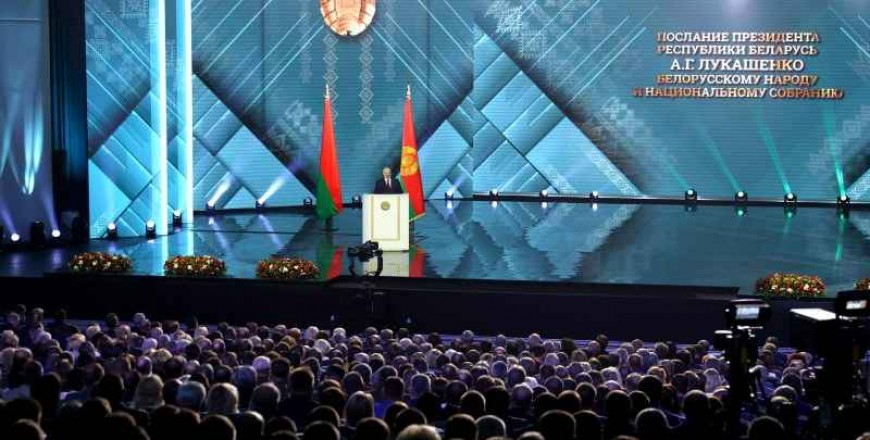
According to EURACTIV, Belarus leader Alexander Lukashenko on Tuesday (4 August) accused the opposition and Russia of planning violent unrest and vowed to defend his regime as early voting began in presidential elections.
During a televised address to the nation, Lukashenko slammed what he said were attempts by his opponents to organise “a massacre” in the capital Minsk, claiming his critics were being backed by “billion-dollar resources” to incite unrest.
“Will Belarus survive? Will it survive this hybrid war?” he asked, sweating profusely and repeatedly mopping his brow.
“We will not give the country to you. Independence is expensive, but it is worth it,” he said, flanked by large Belarusian flags in an auditorium packed with government officials, church leaders and uniformed military personnel.
The former collective farm director, who is Europe’s longest-serving non-royal national leader, is seeking a sixth term in the upcoming ballot after barring his main rivals from contesting the vote and jailing.
Lukashenko said that on Tuesday he had received information about “another unit sent to the south” and added that Moscow should stop “lying” and interfering in his country’s affairs.
“Do not blow up the situation or things will go up in flames and will be felt even in Vladivostok,” he said, referring to Russia’s Pacific port.
Minsk says the men detained last week are members of the Wagner private military company that promotes Moscow’s interests in Syria, Libya and Ukraine and is reportedly controlled by a close ally of Russian President Vladimir Putin.
After Lukashenko’s address the defence ministry issued a statement stressing its officers’ “full support” for the president amid “attempts to interfere in internal affairs.”
The defence ministry also said it was beginning drills involving fighter jets and air-defence forces and was also calling up military reservists for exercises next week.
Russain foreign ministry spokeswoman Maria Zakharova dismissed Minsk’s actions as putting on a “show.”