

In Brussels, Visegrad countries reject the EU’s migration plan
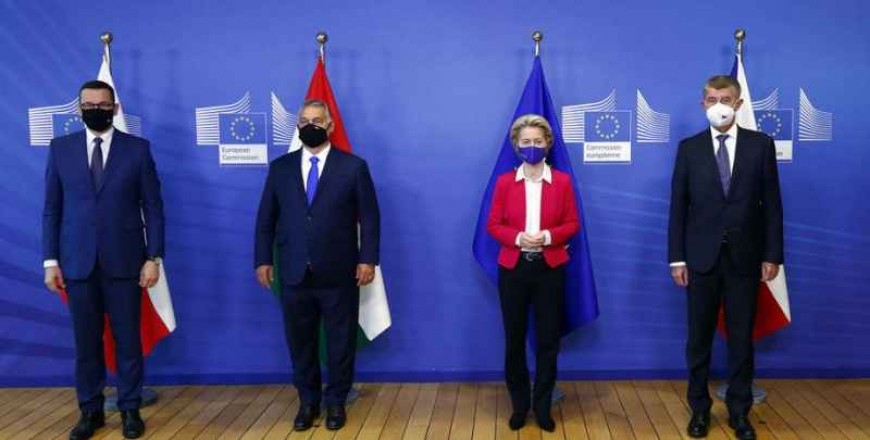
According to EURACTIV, four Eastern European countries rejected the EU’s latest plans for handling migrants on Thursday (24 September), after talks with European Commission President Ursula von der Leyen in Brussels, and insisted that the plans for tougher new asylum rules do not go far enough.
The Commission proposed on Wednesday (23 September) that all EU countries share responsibility for asylum seekers under a “mandatory solidarity” mechanism, an attempt to reconcile the position of Southern and Eastern members.
The key point of the new pact is that member states would have to either accept asylum seekers, take charge of sending back those who are refused asylum, or offer financial assistance on the ground to frontline EU states.
In previous years, the Visegrad Four – Poland, Hungary, Slovakia, and the Czech Republic – vehemently rejected the previous quota-based plan to distribute migrants across the EU and opposed Southern Europe’s push for mandatory arrangements.
After meeting von der Leyen behind closed doors in Brussels, the prime ministers of Poland, Hungary and the Czech Republic indicated they have an unambiguous view on this issue on the EU’s new migration proposal.
Slovak Prime Minister Igor Matovič could not attend but had authorised the Czech Republic to represent him.
Bratislava had said it welcomed the abandoning of mandatory quotas and that it needs more time to study the proposal, but was more hesitant to reject it in the way its fellow three Visegrad partners did.
“There are certain rules that we stick to, the need to ensure effective policies regarding border control, on-the-spot assistance, or the kind of assistance Poland is now giving to Greece,” Polish Prime Minister Mateusz Morawiecki, the current chair of the Visegrad 4 presidency, told reporters in Brussels after the meeting.