

UK delays full post-Brexit border checks from EU
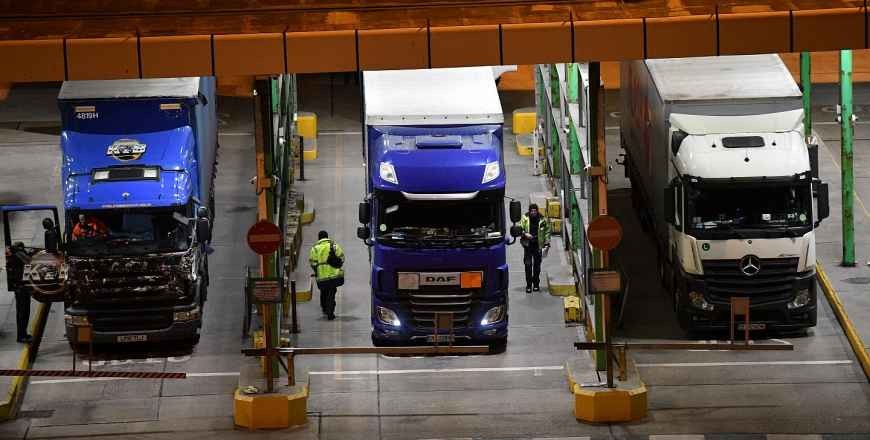
According to EURACTIV, Britain on Tuesday (14 September) said it would push back its implementation of full post-Brexit borders checks on goods from the European Union, as the pandemic, red tape and new immigration rules fuel supply problems.
Plans to introduce full controls in areas such as the import of food and animal products had been due from next month but would now start from January next year under a “pragmatic new timetable”, the government said.
Britain will still introduce full customs declarations and controls on 1 January 2022, as planned.
Certification and physical checks on food and animal goods designed to protect against diseases, pests and contaminants — due to be introduced on 1 January — will now be introduced in July 2022.
Requirements for safety and security declarations will be also be pushed back to July.
“We want businesses to focus on their recovery from the pandemic rather than have to deal with new requirements at the border, which is why we’ve set out a pragmatic new timetable for introducing full border controls,” said minister David Frost.
“Businesses will now have more time to prepare for these controls which will be phased in throughout 2022.
“We remain on track to deliver new systems, infrastructure and resourcing needed for these controls,” he added.
The pandemic and Brexit have left Britain short of some 90,000 truck drivers, many of whom returned to eastern Europe, causing supply chain problems, particularly in the food and drink sector.
The UK has similarly postponed the full implementation of post-Brexit rules governing trade from mainland Great Britain (England, Scotland, Wales) to Northern Ireland.
London is in talks with Brussels about how to put into practice the Northern Ireland Protocol, which is designed to prevent unchecked goods heading into the EU single market via the UK’s only land border with the EU to Ireland.
But on Monday night, Frost warned ministers could unilaterally suspend the protocol unless progress is made, with opposition strong from pro-British parties in Northern Ireland.
That, however, could trigger countermeasures from the EU, which insists the protocol is not up for renegotiation.