

Austrian Chancellor Discusses Talks To Arrange Prisoner Swap In Call With Putin
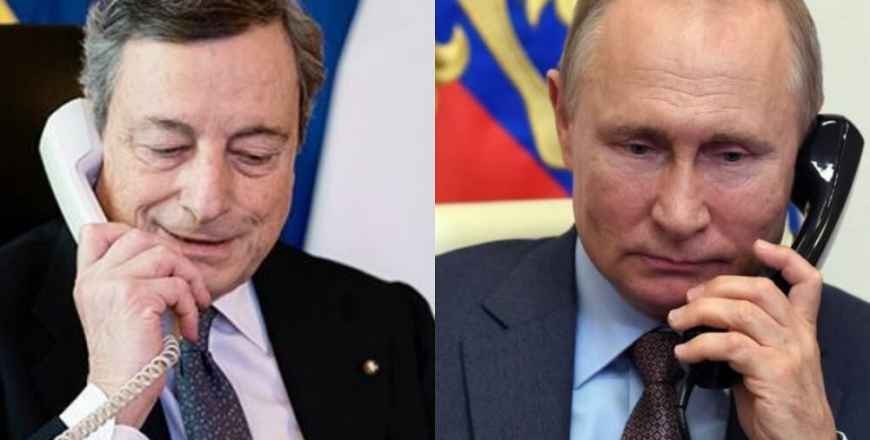
According to RFE/RL, Austrian Chancellor Karl Nehammer says he and Russian President Vladimir Putin discussed a possible prisoner swap and blocked shipments of Ukrainian grain during a phone call on May 27.
Nehammer, who spoke to reporters after the 45-minute call, said Putin told him that Moscow is ready to discuss a prisoner swap with Ukraine but the question is complex. The Austrian leader said his impression during the call was that Putin wants to create facts on the ground that he can take into negotiations.
Ukrainian President Volodymyr Zelenskiy said earlier that he must hold talks with Putin in order to safeguard Ukraine's sovereignty and existence.
Zelenskiy said in an address on May 27 to an Indonesian think tank that Ukraine was not longing to talk to Putin, but that it has to face the reality that this will likely be necessary to end the war that Moscow launched against it on February 24.
"There are things to discuss with the Russian leader. I'm not telling you that our people are eager to talk to him, but we have to face the reality of what we are living through," Zelenskiy said.
"What do we want from this meeting?...We want our lives back...We want to reclaim the life of a sovereign country within its own territory," he said, adding that Russia did not appear to be ready yet for serious peace talks.
Zelenskiy also accused Russia -- which has said it would allow Ukraine to resume its grain exports by sea if the West lifts some sanctions imposed on it for starting the war -- of weaponizing the global food supply crisis.
The last known face-to-face talks between Russian and Ukrainian negotiators were held on March 29. Negotiations continued online for a while but both sides now say they have stopped.
According to a Kremlin statement, Putin informed Nehammer about actions that Russia is taking to secure safe passage for vessels in the Sea of Azov and the Black Sea.
Putin told Nehammer that attempts to blame Russia for difficulties shipping grain worldwide were unfounded and pointed to Western sanctions being responsible instead, according to the Kremlin.
"Detailed explanations have been given of the real causes of these problems, which have emerged due to anti-Russian sanctions by the United States and the European Union, among other things,” the statement said.