

EU Compromises On Russian Oil Sanctions, Most Imports To Be Banned
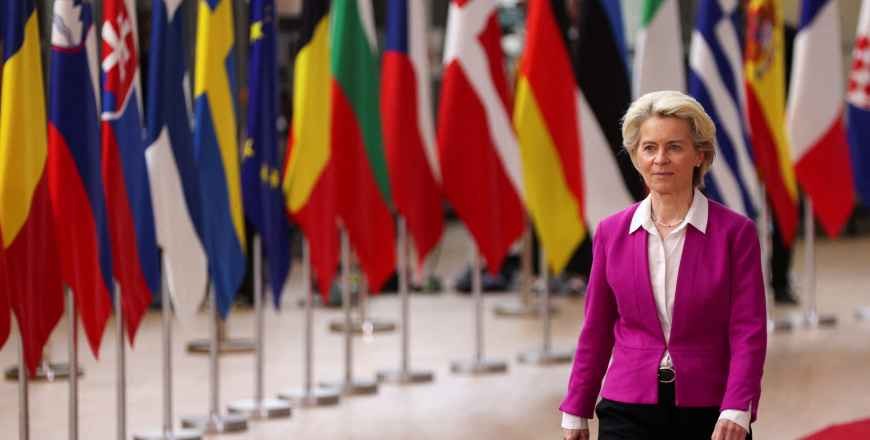
According to RFE/RL, EU foreign policy chief Josep Borrell has vowed the bloc's latest ban on Russian oil imports, which is seen cutting flows into the bloc by more than two-thirds, will force down the price Moscow can ask for its crude while also impacting the amount of crude Moscow will sell abroad.
The ban, agreed upon late on May 30, will not immediately affect pipeline oil imports, following opposition from landlocked Hungary.
"We are the most important client for Russia," Borrell told reporters as he arrived for the second day of an EU summit in Brussels on May 31.
"The purpose is to make Russia have less financial resources to feed its war machine," he added.
On the first day of the summit, leaders of the 27 EU member states agreed a compromise deal that cuts more than two-thirds of the bloc's imports of Russian oil.
The new arrangement, reached during a summit in Brussels, followed weeks of wrangling until it was agreed there would be "a temporary exemption for oil that comes through pipelines to the EU," European Council President Charles Michel told reporters on May 30.
However, Michel said the agreement cuts "a huge source of financing for [Russia's] war machine."
The EU proposed the ban a month ago, but resistance, mainly from Budapest, which imports two-thirds of its oil from Russia through pipelines, delayed the latest round of sanctions.
Slovakia and the Czech Republic, which, like Hungary, are landlocked, also asked for more time due to their dependence on Russian oil. Bulgaria, already cut off from Russian gas by Gazprom, had likewise sought opt-outs.
"It's a fair compromise...this was the best we could get," Estonian Prime Minister Kaja Kallas told reporters on May 31 as she arrived for Day 2 of the summit.
Hungarian Prime Minister Viktor Orban repeated that a full embargo would have been an "atomic bomb" for the Hungarian economy.