

US, Iran to resume indirect talks on nuclear deal
According to EURACTIV, top Iranian and US officials will resume talks in Vienna this week on reviving the 2015 nuclear pact, officials from both countries said on Wednesday (3 August). However, they played down any expectations of a breakthrough.
The ball is in Washington’s court to save the pact, Iran’s chief negotiator Ali BagheriKani tweeted before heading to Vienna, calling on Washington to “show maturity & act responsibly”.
“Heading to Vienna to advance the negotiations. The onus is on those who breached the deal & have failed to distance from ominous legacy,” tweeted BagheriKani.
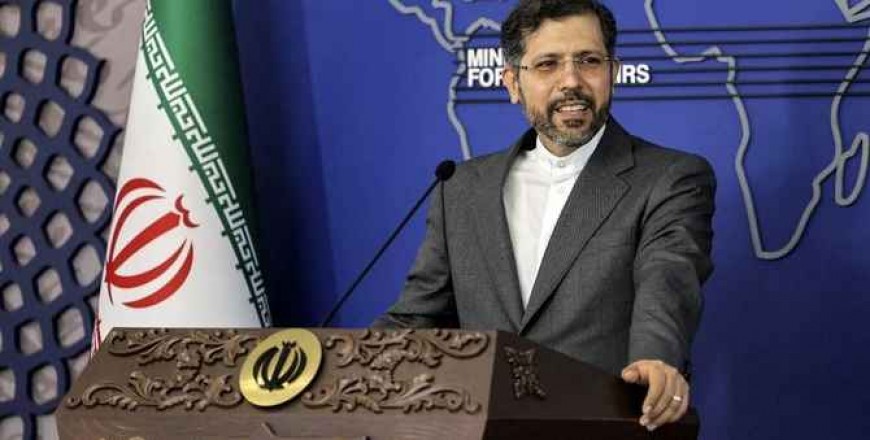
Iran’s foreign ministry spokesperson Nasser Kanaani said Tehran was ready to reach a deal that guarantees its rights, according to state media.
An Iranian official, who spoke anonymously, said the talks would resume on Thursday.
U.S. Special Envoy for Iran Rob Malley said he was preparing to fly to Vienna but suggested he did not expect major progress.
“Our expectations are in check, but the United States welcomes EU efforts and is prepared for a good faith attempt to reach a deal. It will shortly be clear if Iran is prepared for the same,” he wrote on Twitter.
Malley said the talks would proceed based on a recently proposed text by European Union foreign policy chief Josep Borrell to revive the 2015 accord under which Iran curbed its nuclear programme to ease economic sanctions.
Eurasia Group analyst Henry Rome said he thought it unlikely the deal – called the Joint Comprehensive Plan of Action (JCPOA) – would be resurrected this year, putting the odds at 35 per cent and saying neither side wanted the blame for its death.
“Both the US and Iran have a strong interest in keeping the prospect of a deal alive even though both governments appear resigned to its eventual demise,” Rome wrote in an analysis.
“For the US, the continued focus on the JCPOA postpones a messy and costly pivot to increasing diplomatic and economic pressure on Tehran,” he added. “For Iran, continued diplomacy, even if unproductive, supports domestic markets, forestalls greater international pressure, and gives it cover for its continued nuclear advancements.”
In 2018, then-President Donald Trump abandoned the deal, calling it too soft on Iran, and reimposed harsh US sanctions, spurring Tehran to begin breaching its nuclear limits.
In the latest sign Iran’s nuclear program is advancing, an International Atomic Energy Agency report seen by Reuters said Tehran had completed installing three advanced IR-6 centrifuge cascades at its Natanz fuel enrichment plant.