

UN chief Guterres: Risk of nuclear confrontation is back after decades
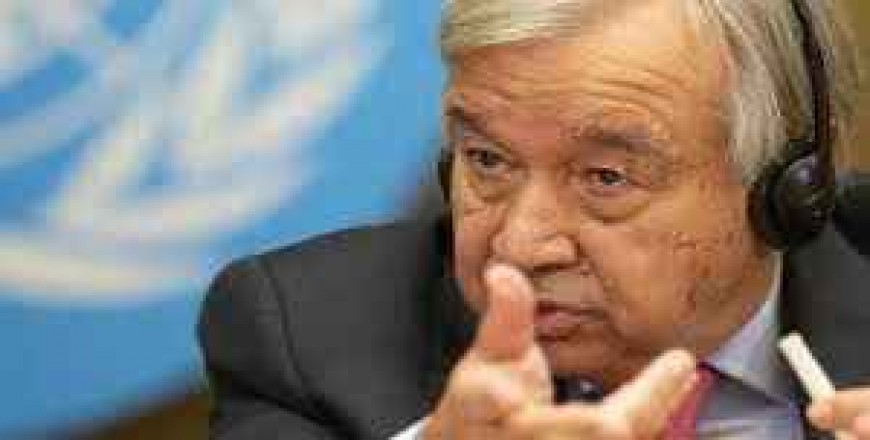
According to EURACTIV, United Nations Secretary-General António Guterres said on Monday (8 August) that the risk of nuclear confrontation had returned after decades, calling on nuclear states to commit to no first use of the weapons.
Guterres spoke at a news conference in Tokyo after attending the Hiroshima Peace Memorial Ceremony on Saturday to commemorate the 77th anniversary of the world’s first atomic bombing.
Guterres called for international inspectors to be given access to the Zaporizhzhia nuclear plant after Ukraine and Russia traded accusations over the shelling of Europe’s largest atomic plant at the weekend.
“Any attack to a nuclear plant is a suicidal thing,” Guterres told a news conference.
Ukraine said renewed Russian shelling on Saturday had damaged three radiation sensors and hurt a worker at the Zaporizhzhia power plant, the second hit in consecutive days on the site.
Ukrainian President VolodymyrZelenskyy accused Russia of waging “nuclear terror” that warranted more international sanctions, this time on Moscow’s nuclear sector.
“There is no such nation in the world that could feel safe when a terrorist state fires at a nuclear plant,” Zelenskyy said in a televised address on Sunday.
Russian forces captured the plant in southeastern Ukraine in early March but it is still run by Ukrainian technicians.
The Russian-installed authority of the area said Ukrainian forces hit the site with a multiple rocket launcher, damaging administrative buildings and an area near a storage facility. The Russian embassy in Washington also released a statement itemising the damage and blaming “Ukrainian nationalists’.
Events at the Zaporizhzhia site – where Kyiv alleged that Russia hit a power line on Friday – have alarmed the world.
Guterres said the International Atomic Energy Agency (IAEA) needed access to the plant.
“We fully support the IAEA in all their efforts in relation to create the conditions of stabilisation of the plant,” Guterres said.
IAEA chief Rafael Mariano Grossi warned on Saturday that the latest attack “underlines the very real risk of a nuclear disaster”.
He also called on Japan to halt public and private financing of coal projects as part of the country’s commitments in curbing fossil fuel emissions.