

US, Russia agree to resume nuclear arms talks in June, China invited to join
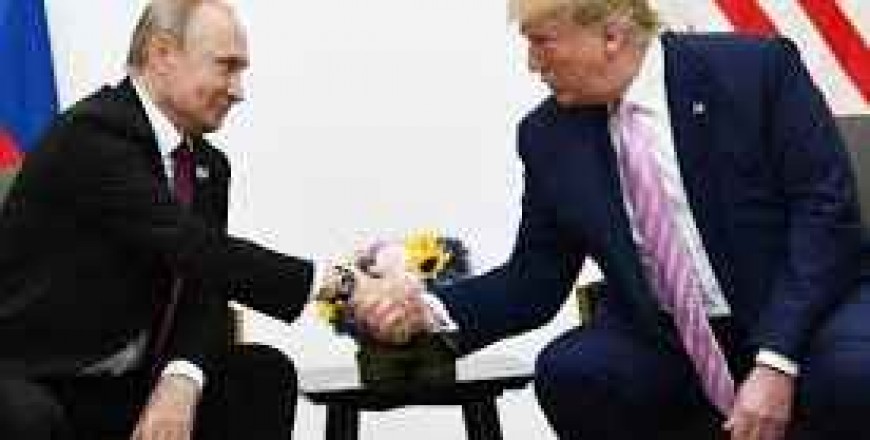
According to EURACTIV, with the only remaining nuclear arms control treaty between the two largest nuclear powers poised to expire in less than a year, the US and Russia have agreed to start nuclear arms negotiations in June. China, which has not been part of agreements to limit nuclear arsenals in the past, has been invited to join.
“Today agreed with the Russian Deputy Foreign Minister Ryabkov on time and place for nuclear arms negotiations in June. China also invited. Will China show and negotiate in good faith?” US Special Envoy for Arms Control Marshall Billingslea twitted on Monday (8 June).
Bilingslea and Ryabkov are set to meet in Vienna on 22 June to start talks on New START, which limits the number of strategic nuclear warheads held by both countries, is set to expire in 2021, unless Presidents Trump and Putin agree to extend it.
Russia has offered to extend the accord, but the Trump administration has so far insisted that three-way nuclear arms treaty would include China. However, a spokesman for the Chinese Foreign Ministry, Geng Shuang, said in January that China has “no intention to participate” in such talks.
Moscow announced it won’t press China to join the talks, despite Washington’s urge.
“We do not see any Chinese readiness. We do not anticipate that this approach will change anytime soon. And we do not intend to use whatever tools in our capacity to change this because it’s a sovereign choice of any country,” he said.
According to analysts, unlike during the Cold War, the biggest risk of a geopolitical conflict now is between the US and China.
Russian President Vladimir Putin recently endorsed Russia’s nuclear deterrent policy, which allows him to use nuclear weapons in response to a conventional strike targeting the nation’s critical government and military infrastructure.
“The fact remains that there is not enough time to make significant progress on a first of its kind trilateral arms control treaty before New START expires,” Kingston Reif, Director for disarmament and threat reduction policy at Arms Control Association, told EURACTIV.
“The best course of action continues to be to extend the existing treaty and pursue the worthwhile goal of a broader agreement long-term,” he added.
Asked whether there would be any incentives that could bring China to the negotiation table, Reif said the likelihood of such course of action is “less to zero”, also due to the growing tensions of the US-China relationship.
Asked by EURACTIV whether NATO was informed over those talks and how will it contribute, considering Europe is one of the main theatres for arms control, a NATO official said that while “senior US and Russian diplomats meet in Vienna on a regular basis to discuss arms control matters, the US consistently keeps Allies informed of these talks.”