

Deadly Fighting Over Disputed Nagorno-Karabakh Enters Second Day
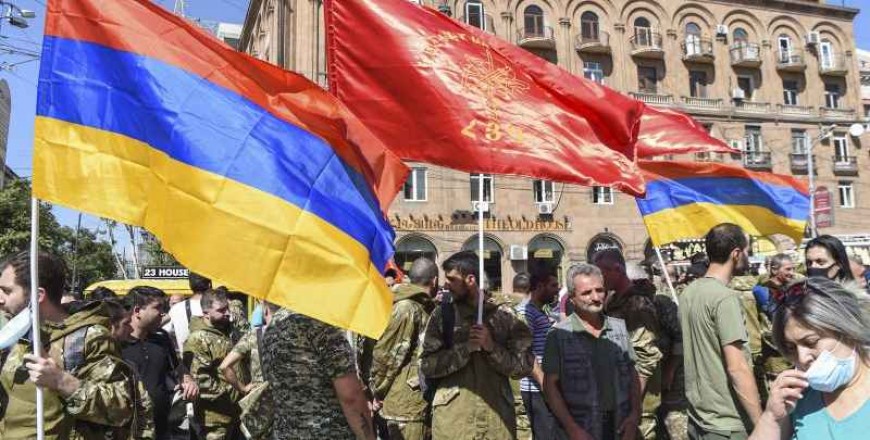
According to RFE/RL, fighting between Armenia and Azerbaijan over the disputed region of Nagorno-Karabakh enters a second day amid international calls for restraint.
Both sides have accused each other of using heavy artillery amid reports of dozens of deaths, including civilians, and hundreds of people being injured.
The long-simmering conflict in the volatile South Caucasus erupted into the deadliest bouts of fighting in four years on September 27, threatening to draw in regional powers Russia and Turkey.
Azerbaijani President Ilham Aliyev declared a partial military mobilization on September 28 as Baku said a total of six Azerbaijani civilians, including five members of one family, had been killed and 19 injured since the fighting began.
Authorities in Nagorno-Karabakh, an ethnic Armenian separatist enclave inside Azerbaijan, said on September 28 that two civilians and a total of 32 of its fighters were killed in clashes with Azerbaijani forces a day earlier.
They said more than 100 people had been wounded since Azerbaijan launched what it described as an air and artillery attack.
Armenia's Defense Ministry said in a statement that "intensive fighting continued overnight."
Azerbaijan’s Defense Ministry said in a September 28 statement that "Armenian armed forces have been shelling the town of Tartar," which is adjacent to Nagorno-Karabakh.
Both sides fielded helicopters, drones, tanks, and artillery during the first day of fighting.
Nagorno-Karabakh has long experienced periodic border skirmishes along the so-called Line of Contact that separates Armenian and Azerbaijani forces on the front line of Europe's longest-running conflict.
In July, a days-long flare-up that included drone attacks and heavy artillery fire killed at least 17 people, mostly soldiers on both sides but including at least one civilian.
The latest violence appeared to be more than a flare-up, with Armenian and Azerbaijani officials describing it as war amid mutual recriminations about which side started the offensive.
"We are on the brink of a full-scale war in the South Caucasus," Armenian Prime Minister Nikol Pashinian warned, accusing Azerbaijan of carrying out preplanned aggression.
On September 27, Armenia and Nagorno-Karabakh declared martial law and a total mobilization in response to what they said was Azerbaijani attacks on the enclave, including in the regional capital of Stepanakert.
Azerbaijan, which introduced martial law and a curfew, said it had launched a military operation in response to shelling along the Line of Contact. It also said its forces had seized control of up to seven villages.
The escalation of violence drew swift responses from European countries, Russia, the United Nations, the United States, and others calling for both sides to cease hostilities immediately and enter dialogue.
Regional power Turkey, meanwhile, said it would support Azerbaijan, its traditional ally.
"By adding to its attacks against Azerbaijan, Armenia has shown once again it is the greatest threat to peace and tranquility in the region," Turkish President Recep Tayyip Erdogan said on September 27.